How Long is Immune System Compromised After Steroids?
Steroids are strong medicines that doctors prescribe for swelling, allergies, or arthritis. They calm the body’s defense system, but this can make it harder to fight germs.
Many people wonder how long their immunity stays weak after they stop taking these drugs.

What Are Steroids and Why Do They Affect Immunity?
Steroids, also called corticosteroids, act like the hormone cortisol in your body. They slow down white blood cells and block signals that cause swelling. This helps with pain and inflammation, yet it also lowers your ability to fight infections.
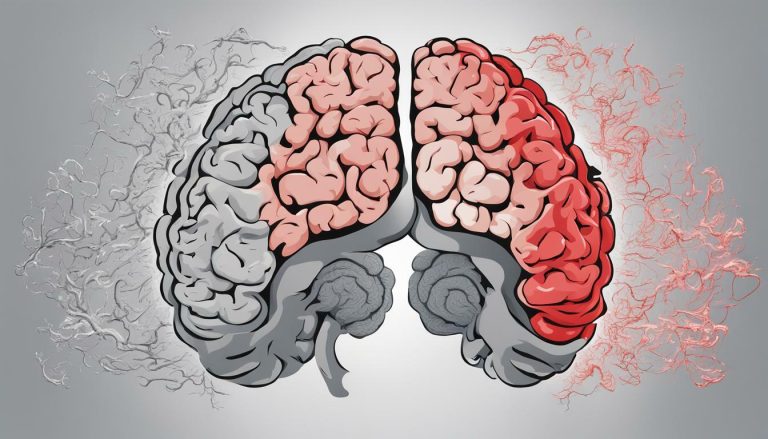
The main effect comes from how these medicines change gene activity in immune cells. Doctors call this process immunosuppression. As a result, the body becomes less ready to handle viruses, bacteria, or fungi while the medicine is active.
How Long Does Immune Suppression Last for Short Courses?
For a short burst of steroids lasting less than three weeks, the immune system often returns to normal within one to four weeks after the last dose. Many people notice their energy and resistance to colds improve in just a few days to two weeks. The CDC notes that high-dose steroids taken for 14 days or more may require waiting at least one month before certain vaccines to stay safe.
Studies from the National Institutes of Health confirm that brief use rarely causes lasting problems. Your body quickly restarts its normal defense work once the medicine leaves your system. Still, stay alert for signs of infection during this short window.
Recovery After Long-Term Steroid Use
When people take steroids for months or years, recovery takes much longer. The body’s stress-control system, known as the HPA axis, can stay slow for nine to 12 months after stopping. Half of some patients see full adrenal recovery by seven months, but others need up to two years.
Adrenal glands make natural cortisol that supports immunity during stress. When these glands rest too long from medicine, they need time to wake up again. For this reason, doctors often taper the dose slowly so the immune system regains strength safely.
Factors That Change Recovery Time
The dose, length of treatment, and your age all matter. Higher doses and longer use slow recovery more. Younger, healthy adults usually bounce back faster than older people or those with other health issues.
In addition, sudden stops can delay healing compared with a gentle taper. Your doctor checks morning cortisol levels to track progress. These simple blood tests show when your HPA axis and immune defenses are ready again.
Signs Your Immunity Is Still Low
Watch for frequent colds, slow-healing cuts, or unusual tiredness. Fever may be mild or missing because steroids hide normal warning signs. If you feel weak or catch every bug going around, tell your doctor right away.
These clues often point to ongoing adrenal or immune lag. Early care prevents bigger problems like serious infections.
Tips to Support Your Immune System
Eat plenty of fruits, vegetables, and lean protein to fuel white blood cells. Get good sleep and gentle exercise to help your body rebuild. Avoid alcohol and smoking, which slow healing even more.
Always follow your doctor’s taper plan and report any stress like illness or surgery. In tough times, you may need extra medicine for a short while until your adrenal glands catch up.
Conclusion
Corticosteroids, white blood cells, the HPA axis, adrenal glands, and infection risks form the key network in this story. Short steroid courses usually calm the immune system for just one to four weeks, while long-term use can affect recovery for months or up to a year. By understanding these connections and working with your doctor, you can protect your health and return to full strength safely.