How to Inject Steroids Safely and Effectively: Step-by-Step Guide for Beginners
Injecting anabolic steroids such as testosterone or Deca requires precision to minimize risks like infections or scar tissue buildup while maximizing absorption and results.
Whether you’re exploring legal testosterone replacement therapy (TRT) under medical supervision or venturing into performance enhancement, mastering intramuscular injection sites, sterile syringe techniques, and post-injection care makes all the difference.
Proper execution turns a potentially intimidating process into a routine that supports consistent gains with minimal downtime.
Essential Supplies for Safe Steroid Injections
Start with the right gear to ensure every pin stays clean and effective. Prioritize pharmaceutical-grade steroids over underground lab (UGL) sources whenever possible for purity and accurate dosing.
Key items include:
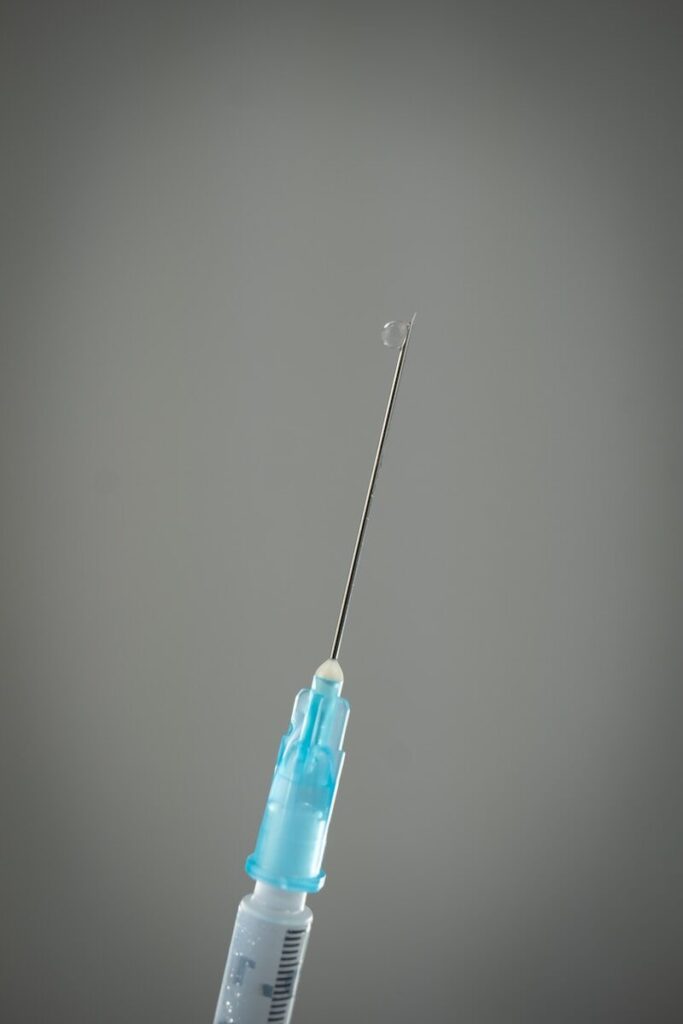
- Insulin syringes (1 ml, 29–31G) for subcutaneous (subQ) shots or 3 ml syringes (23–25G, 1–1.5 inch) for intramuscular (IM) use.
- Sterile alcohol swabs, bandages, and a sharps container for safe disposal.
- Oil-based carriers like grapeseed oil, which flow smoother than thicker alternatives.
Always inspect vials for cloudiness, particles, or discoloration before drawing. Stock supportive supplements such as TUDCA for liver protection and have antibiotics on hand for rare emergencies. Needle gauge selection plays a critical role here thinner gauges reduce trauma while still allowing smooth delivery of viscous esters.
For detailed guidance on preparing testosterone injections, refer to the Mayo Clinic’s overview of intramuscular and subcutaneous testosterone administration.
Best Injection Sites and Rotation Strategy
Rotating injection sites prevents scar tissue and maintains tissue health over long cycles.
The top intramuscular injection sites include:
- Glutes (upper outer quadrant): Ideal for glutes injection of larger volumes (2–5 ml) with compounds like Deca or Test E.
- Vastus lateralis (outer quad): Excellent for faster-absorbing esters such as Propionate; many athletes target the “quad sweeps” area for balanced absorption.
- Delts (posterior or lateral head): Suitable for smaller doses.
- Ventroglutes: Preferred for low-volume shots due to minimal nerve risk.
Use a simple grid system to map and rotate sites weekly. The Z-track method displacing skin before insertion further reduces leakage. Glutes handle higher volumes best, while quads suit quicker esters.
Here’s a quick reference table for site selection:
| Injection Site | Max Volume | Needle Gauge & Length | Best For |
|---|---|---|---|
| Glutes | 2–5 ml | 23–25G, 1–1.5″ | Deca, Test E (oil-based) |
| Vastus Lateralis (Quads) | 2–3 ml | 23–25G, 1″ | Propionate, faster esters |
| Delts | 1–2 ml | 25–27G, 1″ | Smaller daily doses |
| Ventroglutes | 1–3 ml | 23–25G, 1″ | Beginners, low-volume |
Consistent rotation and proper needle gauge selection keep sites fresh and absorption optimal.
Step-by-Step Injection Process
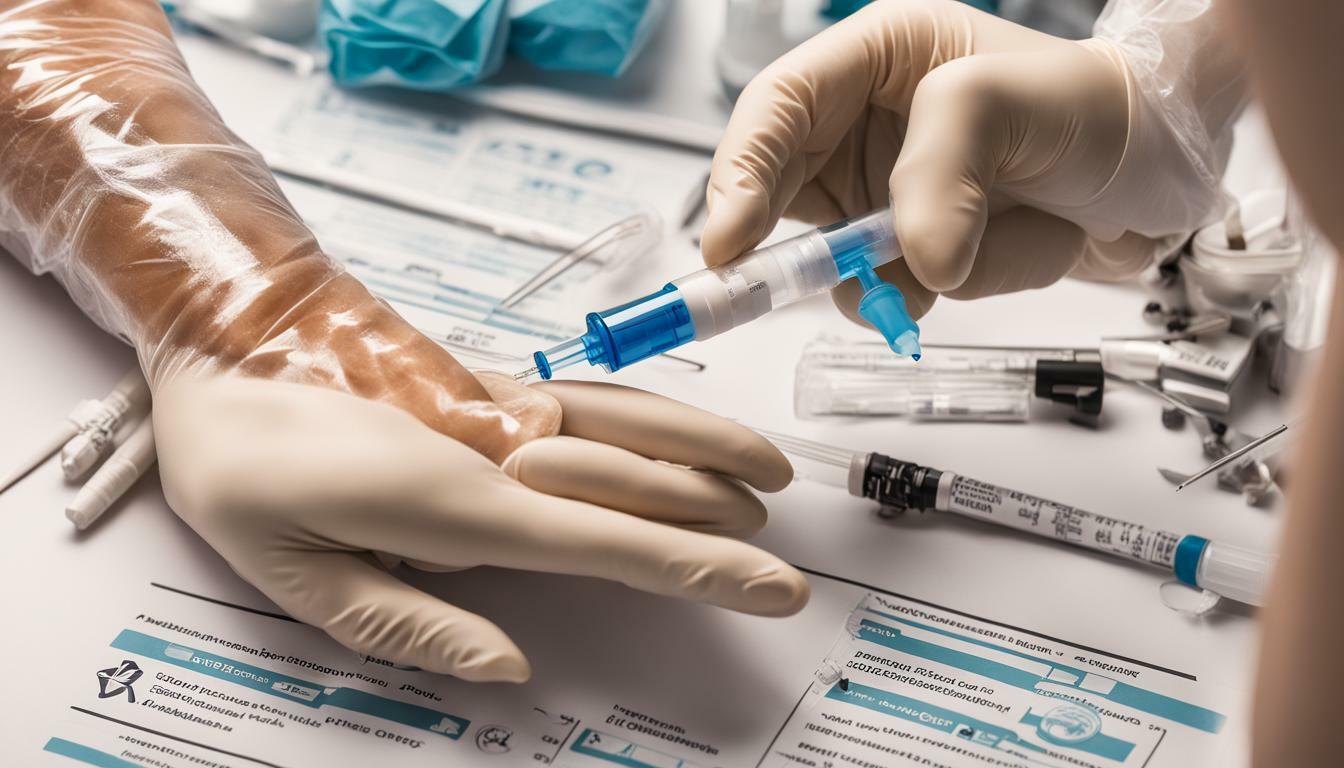
Follow these sterile syringe techniques every time for reliable results.
- Wash hands thoroughly with soap, then swab the vial stopper and chosen skin site with 70% isopropyl alcohol. Let both dry completely to eliminate bacteria.
- Draw air into the syringe equal to your dose, inject it into the vial to create pressure, then slowly pull the steroid. Tap the syringe and expel air bubbles.
- Use the aspiration method: insert at a 90° angle for IM (45° for subQ), pull back slightly on the plunger to check for blood. If clear, inject slowly (30–60 seconds per ml), withdraw, and massage gently.
These steps, aligned with established safe injection practices, dramatically lower contamination risks.
Common Mistakes and Risk Mitigation
Even experienced users slip up. Never pin the same spot consecutively doing so invites lumps, hardening, or scar tissue. Reusing needles dulls the tip and tears muscle fibers; always use fresh sterile equipment.
Watch closely for early signs of abscess: redness, swelling, warmth, or fever. Prompt hot compresses and medical evaluation can prevent escalation. Beginners and women often start with subQ injections for testosterone to minimize pain, while monitoring progesterone-related sides when using 19-nors like Nandrolone. Abscess prevention hinges on unwavering sterility and site rotation.
Post-Injection Care and Cycle Monitoring
Apply firm pressure for 30 seconds, then bandage the site. Avoid heavy lifting for 24–48 hours so the oil disperses evenly. Incorporate heat before pinning and ice afterward for comfort.
Track progress with bloodwork: establish a pre-cycle baseline, then recheck at weeks 4–6 for hematocrit, lipids, liver enzymes, and hormone levels. The Endocrine Society’s clinical practice guidelines on testosterone therapy emphasize standardized monitoring to keep values in safe ranges. Pair your cycle with proper post-cycle therapy (PCT) protocols involving HCG or Clomid when needed, and always consult a doctor for legal TRT options.
Advanced Tips for Effective, Pain-Free Pins
Warm vials in your pocket or hands to thin the oil. Many veterans load with a 25G needle then switch to a 27G for actual pinning balancing speed and comfort. Stack healing peptides like BPC-157 to accelerate recovery. Keep weekly volume under 2 ml per site to preserve vascularity.
Above all, prioritize patience and sterility. When done correctly, these intramuscular injection sites and techniques deliver steady gains, zero complications, and peace of mind throughout your cycle. Consult a qualified healthcare professional before starting any hormone protocol to ensure it aligns with your health goals and local regulations.